
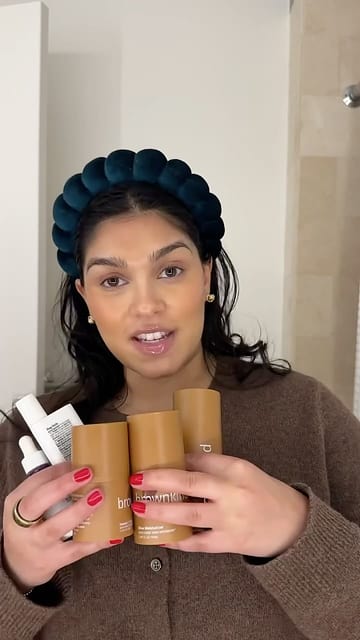
For decades, the global beauty industry has been criticized for overlooking the needs of diverse skin tones, hair textures, and cultural beauty practices. What was once a market dominated by limited shade ranges and one-size-fits-all formulas is now undergoing a major transformation. At the forefront of this change are black beauty products, which are reshaping the industry and redefining what inclusivity means in cosmetics.
By prioritizing representation, authenticity, and innovation, these products are helping millions of individuals feel seen, valued, and catered to. More importantly, they are paving the way for a more equitable beauty landscape where people of all shades and backgrounds can embrace their unique identities.
The Historic Lack of Representation in Beauty
For years, many mainstream cosmetic lines failed to provide solutions for deeper skin tones. Foundation shades often stopped at medium complexions, and haircare products rarely addressed the needs of textured hair. This lack of representation left Black consumers to mix products themselves, seek out niche solutions, or go without altogether.
The consequences extended beyond cosmetics—it sent a message that deeper skin tones and natural hair textures were an afterthought in the beauty world. This gap created frustration, but it also inspired a movement. Today, black beauty products are not just filling that void; they are setting higher standards for inclusivity across the industry.
The Rise of Black Beauty Products
In recent years, the demand for diversity in cosmetics has grown louder. Black entrepreneurs, innovators, and creators have stepped in to develop products that meet specific needs—from wide-ranging foundation shades to hair oils that nourish curls and coils.
Unlike one-size-fits-all formulas, these solutions are designed with melanated skin care and textured hair in mind. They address real concerns such as:
- Hyperpigmentation and uneven skin tone
- Hydration for naturally drier skin types
- Protection against environmental stressors affecting darker skin
- Hair breakage, shrinkage, and scalp health
By focusing on these unique needs, black beauty innovators are rewriting the rules of cosmetics and showing that inclusivity goes beyond simply adding a few darker shades to an existing lineup.
Inclusivity Beyond Shades
When people think of inclusivity in cosmetics, foundation shades are often the first thing that comes to mind. While expanding shade ranges is essential, true inclusivity goes deeper.
Black beauty products highlight the importance of addressing undertones, skin concerns, and cultural beauty rituals. For example:
- Undertones matter: Two people with the same skin depth may have vastly different undertones, requiring formulas that take warm, cool, and neutral undertones into account.
- Cultural practices: Beauty traditions such as shea butter use, protective hairstyles, and natural remedies are rooted in culture and deserve recognition in product design.
- Holistic care: Skincare routines for darker skin tones often emphasize prevention of hyperpigmentation and scarring, requiring specialized formulas.
This broader approach ensures inclusivity is not superficial—it’s about truly serving the needs of communities that have historically been excluded.
The Role of Melanated Skin Care in the Movement
Skin care is a critical piece of this transformation. While cosmetics enhance beauty, skin care builds the foundation for it. Melanated skin care products are developed with an understanding of the unique characteristics of darker skin tones, such as higher melanin content and increased sensitivity to certain conditions.
Some of the biggest concerns melanated skin care products address include:
- Hyperpigmentation: Darker skin is more prone to dark spots and uneven pigmentation, requiring targeted solutions.
- Moisture retention: Melanin-rich skin can often lean toward dryness, making hydration-focused products essential.
- Sun protection: Contrary to common misconceptions, darker skin still needs sun protection. Melanated skin care lines are increasingly introducing sunscreens that blend without leaving a chalky residue.
By tackling these concerns, the movement toward melanated skin care is empowering individuals to embrace their natural skin without compromise.
Cultural Pride and Self-Expression
The rise of black beauty products is not just about formulas—it’s also about celebrating cultural pride and self-expression. Beauty is deeply tied to identity, and when people have access to products that reflect their heritage, it boosts confidence and affirms individuality.
For example, haircare designed for braids, locs, and twist-outs doesn’t just meet practical needs—it celebrates hairstyles with cultural significance. Similarly, makeup shades inspired by deeper skin tones emphasize beauty that has long been overlooked in mainstream media.
By integrating cultural authenticity into the industry, these products are sending a powerful message: beauty is diverse, and all expressions of it deserve visibility.
The Impact on the Mainstream Beauty Industry
The success of black beauty products has forced the mainstream beauty industry to take notice. Large brands are now expanding shade ranges, diversifying campaigns, and partnering with Black creators. While progress is being made, many argue that true inclusivity can only happen when diversity is part of a brand’s DNA—not just a marketing trend.
Black-owned brands and innovators continue to set the standard, proving that when inclusivity is genuine, it resonates with consumers across all demographics. This ripple effect is driving the industry toward a more inclusive and representative future.
Technology and Innovation in Inclusivity
Innovation is also playing a role in the rise of inclusivity. From AI-driven foundation shade matching to apps that help consumers find the right products for their undertones, technology is making beauty more personalized than ever.
Black beauty innovators are embracing these tools while also ensuring that algorithms and databases account for a wide range of skin tones. This level of personalization, combined with cultural understanding, is creating a more equitable experience for consumers who have long been underserved.
Challenges Still Ahead
While progress is being made, challenges remain in the journey toward full inclusivity:
- Accessibility: Not all communities have equal access to black beauty products, especially in rural or international markets.
- Representation in leadership: The industry still lacks diversity in executive roles, which influences decision-making.
- Tokenism: Some brands adopt inclusivity as a trend rather than a long-term commitment, leading to performative efforts rather than genuine change.
Overcoming these challenges will require ongoing advocacy, consumer demand, and continued support for Black-owned beauty brands.
Looking Toward the Future
The momentum behind inclusivity in cosmetics shows no signs of slowing down. Younger generations are demanding diversity not just in beauty but in all industries. This shift is ensuring that inclusivity is no longer an option—it’s an expectation.
As black beauty products and melanated skin care continue to thrive, the beauty industry will be pushed to innovate further, breaking barriers and expanding definitions of what beauty truly means. The future promises a more authentic, diverse, and empowering landscape where everyone can find products that celebrate their unique identity.
The beauty industry is undergoing a revolution, and at the heart of it is the rise of black beauty products and the growth of melanated skin care. By addressing the real needs of diverse communities, these products are challenging outdated norms, inspiring innovation, and celebrating cultural pride.
Inclusivity is no longer just a buzzword—it’s a movement reshaping cosmetics from the ground up. And as the demand for representation grows, one thing is clear: the future of beauty is diverse, authentic, and inclusive.