
“`html
Is Health News Still Relevant? Navigating Information in the Digital Age
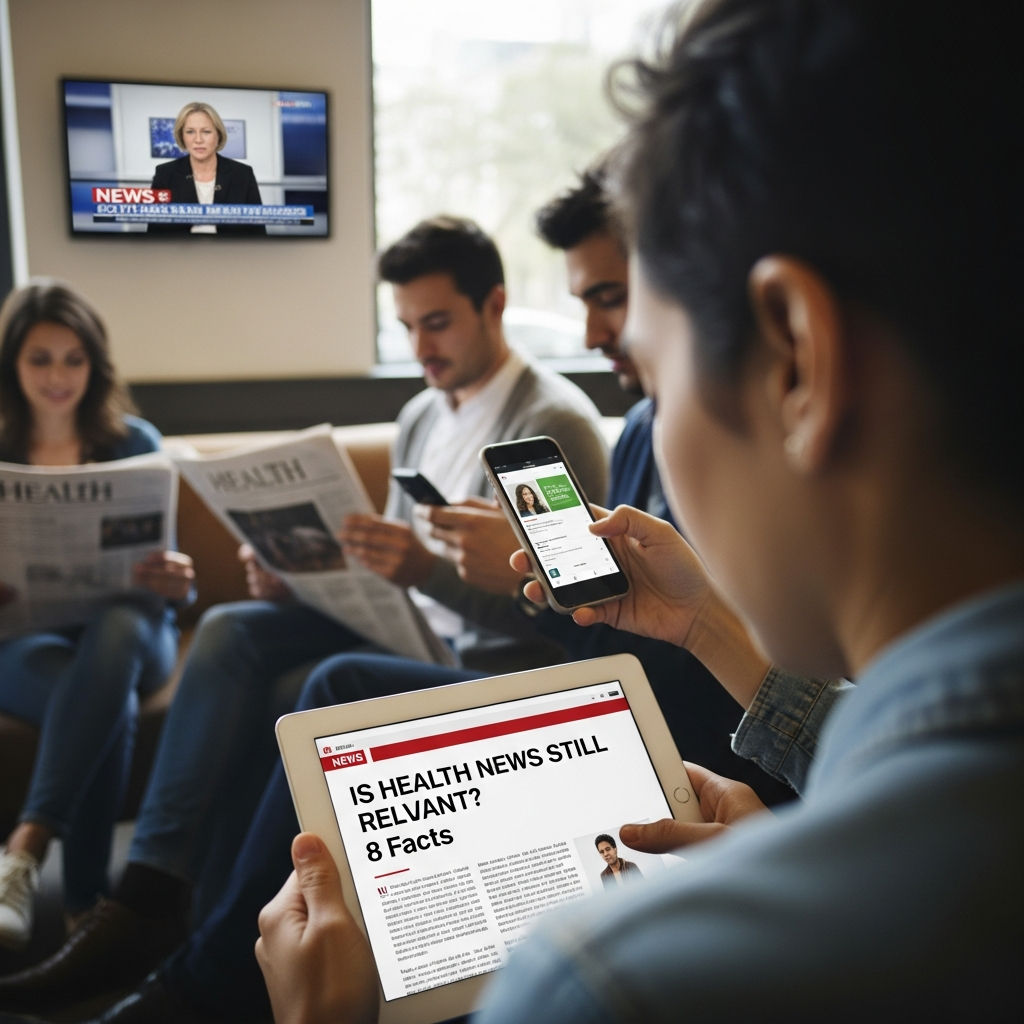
In an era where a thirty-second TikTok video can go viral by claiming a “secret” cure for inflammation, and AI chatbots can generate medical advice in seconds, many are asking a critical question: Is health news still relevant? With the sheer volume of information available at our fingertips, the traditional role of medical journalism is being challenged like never before.
However, the relevance of health news hasn’t diminished; rather, its role has shifted. We no longer just need information—we need curation, context, and credibility. Understanding the landscape of modern health reporting is essential for anyone looking to improve their well-being without falling victim to misinformation. Below, we explore eight facts that define the current state and relevance of health news today.
1. Health News Acts as a Necessary Filter for “Pre-Print” Science
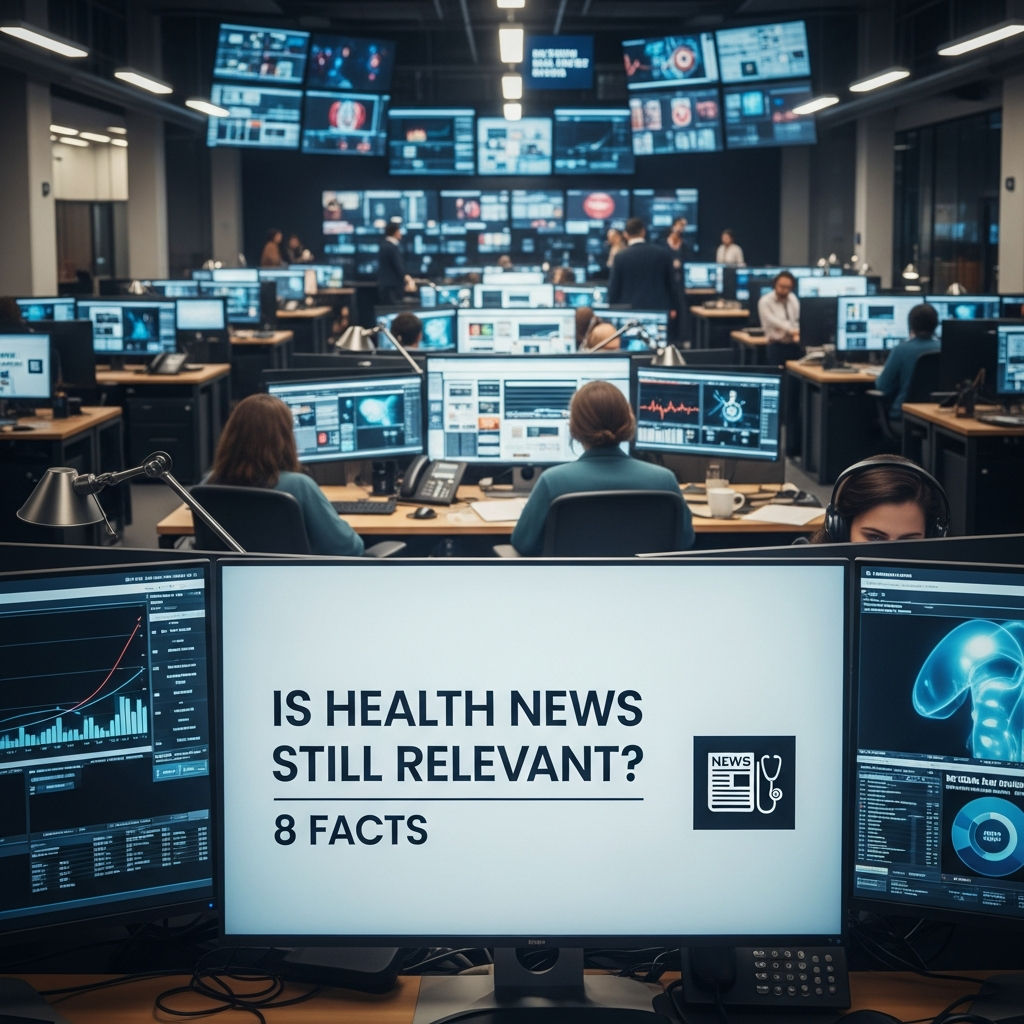
During the height of the COVID-19 pandemic, the world saw an explosion of “pre-print” studies—research papers that have not yet been peer-reviewed. While this allowed for the rapid sharing of data, it also led to the spread of unverified and sometimes dangerous conclusions. Professional health news serves as a vital filter in this process.
Experienced medical journalists work with experts to interpret these studies, explaining the difference between a small-scale observational study and a gold-standard double-blind clinical trial. Without this journalistic oversight, the public is often left to navigate raw data that can be easily misinterpreted, making professional health reporting more relevant than ever for accuracy.
2. The Rise of “Biohacking” and Influencer Culture Requires Fact-Checking
Social media has birthed the “wellness influencer,” individuals who often promote lifestyle changes, supplements, or restrictive diets based on anecdotal evidence. While some advice is harmless, other “biohacks” can be physically or financially detrimental.
- Credential Verification: Health news outlets vet the experts they quote, ensuring advice comes from MDs, PhDs, or registered dietitians.
- Conflict of Interest: Journalists are trained to look for “follow the money” scenarios, such as influencers being paid to promote specific supplements.
- Evidence-Based Reporting: Traditional news relies on consensus rather than a single person’s “overnight transformation.”
3. It Provides Critical Updates on Public Health and Policy
Health news isn’t just about diet tips and workout trends; it’s about systemic changes that affect your daily life. Is your local water supply safe? Has the FDA recalled a common medication? Are there new insurance mandates that lower the cost of insulin? These are the “hard news” aspects of health reporting that impact the masses. Relevant health news outlets serve as a bridge between government regulatory bodies and the public, ensuring that life-saving alerts reach the people who need them in real-time.
4. The “Clickbait” Phenomenon Has Changed How We Consume News
We must acknowledge a hard truth: the relevance of health news is often undermined by sensationalism. Headlines like “One Glass of Red Wine Replaces an Hour at the Gym” are designed for clicks, not for health education. This fact highlights why *reputable* health news is relevant. By learning to distinguish between “churnalism” (quickly rewritten press releases) and deep-dive investigative health reporting, consumers can protect themselves from the emotional rollercoaster of contradictory health headlines.
5. Health Literacy is the New Essential Life Skill
The relevance of health news today is tied directly to “health literacy”—the ability to find, understand, and use information to inform health-related decisions. Studies show that individuals with higher health literacy have better health outcomes. Health news plays a pedagogical role here; it teaches the public how to read a study’s limitations, how to understand “relative vs. absolute risk,” and how to talk to their doctors about new findings. In this sense, health news is a tool for empowerment.
6. The Shift Toward Personalized and Genomic Medicine
Health news is increasingly focusing on the “N of 1″—the idea that medicine is becoming personalized. As we unlock the secrets of the human genome and the microbiome, news outlets are moving away from “one size fits all” advice.
The relevance of modern health reporting lies in its ability to explain how new technologies, such as wearable devices and genetic testing, can be integrated into a personal health plan. It helps consumers understand that a “heart-healthy diet” for one person might look very different for another based on their genetic markers.
7. Combating the “Infodemic” and Misinformation
The World Health Organization (WHO) coined the term “infodemic” to describe an overabundance of information—some accurate and some not—that occurs during a health crisis. In an infodemic, health news serves as a lighthouse.
Reliable outlets engage in “pre-bunking” (explaining why a myth is likely to appear) and “debunking” (correcting myths after they have spread). Without professional health journalism, the digital landscape would be dominated by algorithms that prioritize engagement (which often favors controversy and fear) over truth.
8. AI is Changing, Not Replacing, Health Reporting
Artificial Intelligence can summarize a medical paper in seconds, but it cannot (yet) conduct an interview with a grieving patient or a skeptical researcher to provide the human context. Health news remains relevant because it adds the “human element” to data.
- Ethics: Journalists weigh the ethical implications of new medical tech, like CRISPR or AI diagnostics.
- Nuance: AI often struggles with the nuance of “maybe” or “in some cases,” which is where most medical science lives.
- Accountability: If an AI gives bad advice, there is often no one to hold accountable. A news organization has its reputation and legal standing on the line.
Conclusion: How to Stay Informed Without Feeling Overwhelmed
So, is health news still relevant? Absolutely. However, the way we consume it must evolve. To get the most out of health reporting today, follow these three rules:
- Check the Source: Does the site end in .gov, .edu, or belong to a reputable news organization with a history of medical accuracy (e.g., The New York Times Health section, Mayo Clinic, or STAT News)?
- Look for the Original Study: Good health news will always link to or name the original source of the data.
- Consult Your Physician: News should be a conversation starter with your doctor, not a replacement for their clinical judgment.
In a world of noise, high-quality health news is the signal. It remains the most effective way for the average person to stay informed about the breakthroughs that prolong life and the pitfalls that threaten it. By staying critical and curious, you can use health news as a powerful tool for a longer, healthier life.
“`